Understanding the Terrain and Soil Conditions
The terrain throughout the Little River area presents distinct challenges that directly impact how properties should be developed. The rolling hills and creek beds characteristic of this region require careful assessment before any excavation or land clearing work begins. Clay-heavy soils dominate much of Wilkes County, particularly in the valleys where Little River winds through, and these soils behave differently during wet seasons compared to the drier summer months.
When planning any construction project in this area, understanding drainage patterns becomes essential. Properties near Little River or its tributaries often experience seasonal water table fluctuations that affect foundation planning, septic system placement, and overall site stability. An experienced excavation contractor will evaluate slope angles, existing vegetation, and subsurface composition before recommending the optimal approach for land clearing and grading.
The local topography also influences equipment access and project timelines. Steeper parcels require specialized earthmoving services and more deliberate grading techniques to prevent erosion while maintaining the natural character of the land. Working with professionals who understand these regional soil characteristics ensures that your property development progresses safely and meets all regulatory requirements for stormwater management and environmental protection.
Navigating Septic System Requirements in Rural Settings
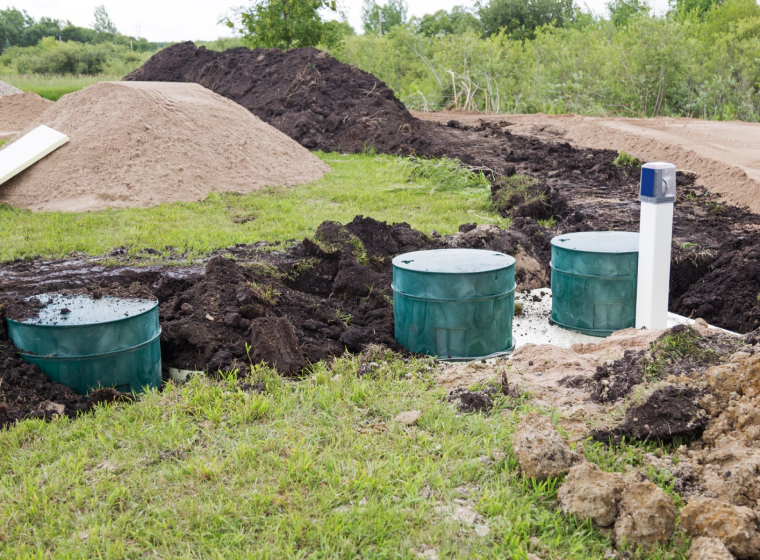
Properties in the Little River vicinity typically rely on septic systems rather than municipal sewer connections, making proper system design and installation a critical component of any building project. County health department regulations dictate minimum distances from water sources, property lines, and wells, and these setbacks become particularly important when working near creeks or tributaries. Soil percolation rates determine which type of septic system your property can support, and the clay soils common to this region often require enhanced drainage fields or alternative system designs.
Professional septic tank installation services begin with soil testing and site evaluation to identify the most suitable location for both the tank and drain field. The slope of your land affects how effluent moves through the system, and improper grading can lead to premature system failure or environmental violations. Many property owners underestimate the amount of usable land consumed by a compliant septic system, especially when dealing with marginal soils that require larger drain fields.
Timing matters significantly when coordinating septic installation with other site work. The system must be installed after initial land clearing and rough grading but before final landscaping and driveway construction. An excavation contractor who also offers septic system installation can sequence these phases efficiently, reducing the number of equipment mobilizations and ensuring that each component integrates properly with the overall site plan. This coordination becomes especially valuable when managing projects in areas with limited access or where weather conditions constrain working windows.
Planning Driveway and Access Road Construction
Access to your building site directly affects construction costs, daily usability, and long-term property value. In the Little River area, many desirable parcels sit well back from public roads, requiring substantial driveway construction through wooded or sloped terrain. A well-planned access road must accommodate delivery trucks during construction, handle daily traffic afterward, and withstand the freeze-thaw cycles and heavy spring rains that characterize the local climate.
Proper road construction services start with routing decisions that balance directness against terrain challenges. A driveway contractor will evaluate grades to minimize erosion risk while keeping slopes manageable for vehicles in winter conditions. Culvert installation becomes necessary wherever the access route crosses natural drainage paths or low areas prone to water accumulation. Undersized culverts lead to washouts during heavy rain events, a common issue in areas near creek systems where runoff can be substantial.
Base preparation determines how well your driveway performs over time. The clay soils throughout Wilkes County require adequate base material to prevent rutting and maintain a stable driving surface. Many property owners discover that initial cost savings from minimal base depth result in expensive repairs within the first few years. Professional land grading services ensure proper crown and cross-slope to shed water away from the driving surface, while strategic placement of the driveway minimizes the amount of land clearing required and preserves mature trees that enhance property aesthetics and value.
Effective Strategies for Brush Clearing and Vegetation Management
Vegetation management throughout the Little River region involves more than simply removing unwanted growth. The mix of hardwoods, pines, and dense understory vegetation requires different approaches depending on your intended land use. Residential properties often benefit from selective clearing that preserves mature specimen trees while removing brush and smaller growth that contributes to fire risk or blocks views. Agricultural or pasture development demands more aggressive brush clearing services to establish usable open space.
Invasive species such as kudzu, multiflora rose, and autumn olive have established themselves in many areas near creek corridors and disturbed sites. These aggressive plants resprout vigorously after cutting and can quickly reclaim cleared areas without proper follow-up treatment. A land clearing contractor experienced in local conditions will recommend appropriate control methods and timing to prevent regrowth while minimizing environmental impact near water sources.
Seasonal considerations affect both the ease and cost of vegetation removal. Late fall through early spring offers advantages for brush clearing work in this region. Cooler temperatures reduce stress on equipment and operators, while dormant vegetation makes it easier to assess the underlying terrain and identify features such as old fence lines, stone walls, or drainage issues. The ground typically remains firm enough for equipment access during this period, provided you avoid working during extended wet spells when soil compaction and rutting become concerns. Properties with steep slopes or sensitive areas near Little River and its tributaries benefit from phased clearing approaches that maintain some vegetation cover until permanent stabilization measures can be established.
Coordinating Site Preparation for Building Projects
Successful building projects depend on thorough site preparation that addresses grading, drainage, utility corridors, and material staging areas. Properties in the Little River area frequently require significant earthmoving to create level building pads on terrain that naturally slopes toward creek drainages. The relationship between your building footprint, septic system location, driveway access, and utility connections must be resolved before excavation work begins to avoid costly changes once equipment is on site.
Excavation services for building preparation involve precise depth control and proper compaction of fill areas to prevent future settlement. Foundation performance depends directly on the quality of preparation work, and shortcuts during this phase create problems that may not appear until construction is complete. Proper site preparation also includes establishing positive drainage away from the building area and routing stormwater to appropriate discharge points that will not cause erosion or create issues for neighboring properties.
Working with a local excavation contractor who understands county permitting requirements, inspection schedules, and seasonal limitations helps keep your project on track. In Wilkes County, winter weather can interrupt work for days or weeks at a time, while summer thunderstorms may temporarily halt grading operations. An experienced provider will anticipate these factors during planning and maintain communication throughout the process to address challenges as they arise. Properties being developed in the Little River area benefit from contractors who can handle multiple aspects of site work, reducing coordination complexity and ensuring that each phase builds properly on the previous work. When all site preparation elements come together correctly, your building project proceeds smoothly, stays within budget, and results in a property that performs well for decades.